The 2026 American Society of Clinical Oncology (ASCO) Annual Meeting presented important findings that may influence cancer risk, recovery, early detection, and long-term health. From blood tests that can identify multiple cancers with a single sample to research on sleep, exercise, and yoga, these findings underscore the importance of taking a comprehensive approach to cancer care.
Yoga’s role in survivorship
A large randomized clinical trial found that a structured yoga program significantly improved several common side effects experienced by cancer survivors. The study included 410 survivors and evaluated a four-week program that combined gentle yoga poses, breathing exercises, mindfulness, and relaxation techniques. Participants who practiced yoga reported improvements in sleep quality, fatigue, anxiety, and emotional well-being compared with those who received standard survivorship care alone. These findings reinforce earlier research showing that yoga can be a valuable, non-drug strategy to help survivors manage long-term physical and emotional effects of a cancer diagnosis.
GLP-1 medications show potential benefits across multiple cancer types
Studies presented at ASCO 2026 suggested that GLP-1 medications may have benefits beyond weight loss and diabetes management. Researchers reported associations between GLP-1 use and lower cancer risk, slower disease progression, and improved outcomes across multiple cancer types. Scientists believe the benefits may stem not only from weight loss but also from effects on inflammation, metabolism, and the immune system. While these findings are encouraging, the research is still observational, and clinical trials will be needed to determine whether GLP-1 medications directly affect cancer risk and outcomes.
An update on the multi-cancer early detection blood test
Researchers shared results from the large NHS-Galleri trial, which evaluated a multi-cancer early detection (MCED) blood test designed to detect cancer signals from a simple blood draw before symptoms appear. Although the study didn’t meet its primary goal of significantly reducing the overall number of stage III and IV cancers diagnosed, the test was associated with a 14% reduction in stage IV cancers after three years of screening. Importantly, the test demonstrated a strong safety profile and accurately identified the likely location of the cancer signal in most cases. These findings suggest that MCED blood tests could become a valuable tool alongside existing screening programs to help detect cancers earlier, when treatment may be more effective.
Poor sleep and the rising cancer risk in people under 50
Researchers from MD Anderson Cancer Center presented two large studies examining whether poor sleep could be contributing to the rise in cancers diagnosed before age 50. An analysis of nearly 19 million adults found that people with disrupted sleep patterns were more likely to develop early-onset cancers, including breast, colorectal, uterine, and ovarian cancers. Researchers believe sleep may influence immune function, inflammation, hormone regulation, and other biological processes involved in cancer development. While the studies don’t prove that poor sleep directly causes cancer, they add to growing evidence that healthy sleep may be an important part of cancer prevention and overall wellness.
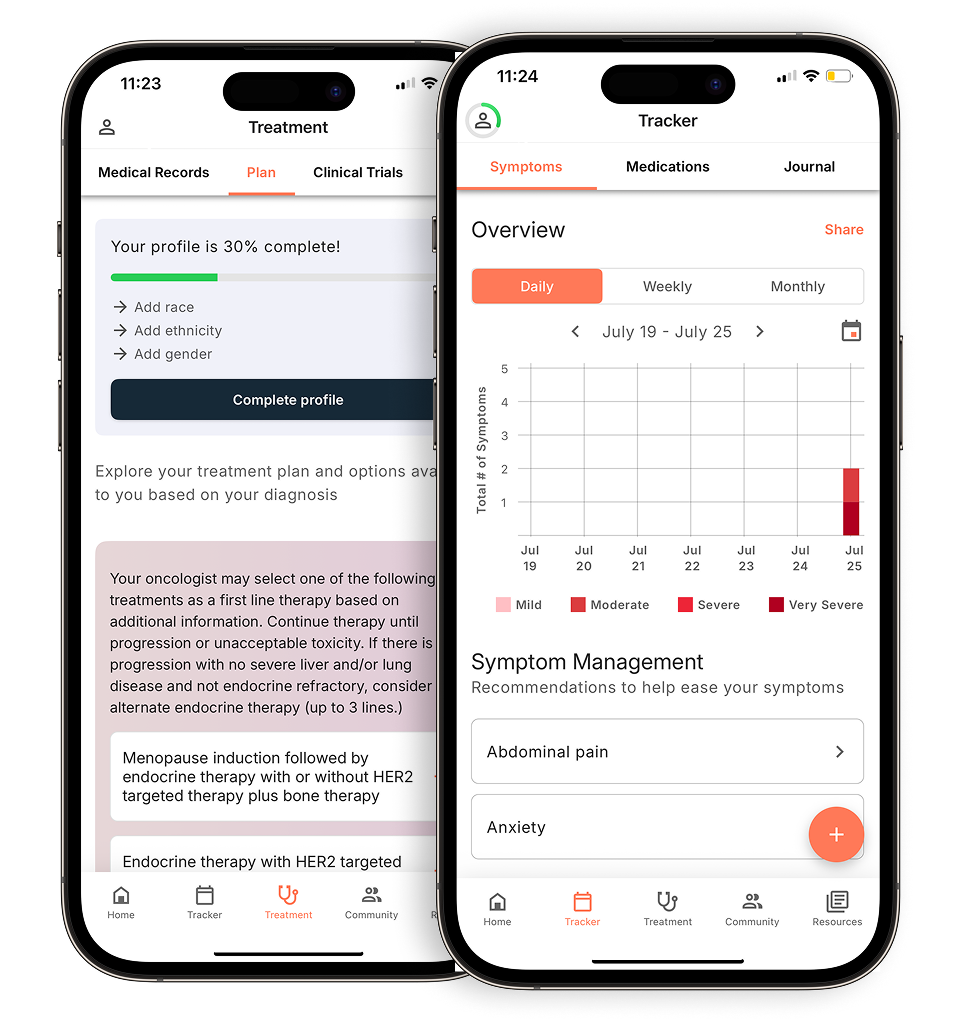
Outcomes4Me is here to help you better understand your diagnosis and treatment options. You deserve clear, trustworthy information at every step.
Personalized support for real care decisions
Understand your diagnosis, explore clinical trials, and track symptoms--all in one place.
Get started
Compare treatments, prepare for appointments, and track side effects—all in the app
Built for your diagnosis, Outcomes4Me gives you the tools to make confident, informed decisions—right when you need them.
Continue in app