A muscle-invasive bladder cancer (MIBC) diagnosis forces one of the hardest decisions a patient can face: remove the bladder entirely and accept the permanent lifestyle changes that follow, or pursue bladder preservation and live with the question of what recurrence risk actually looks like.
Bladder preservation is a clinically validated standard-of-care option with survival rates comparable to radical cystectomy for carefully selected patients.
Research consistently confirms that overall survival rates for trimodality therapy for bladder cancer are nearly identical to those for surgery in appropriately selected patients. The path you choose doesn’t have to mean trading longevity for quality of life.
Trimodality therapy (TMT) is the cornerstone of bladder-sparing treatment. It combines maximal transurethral resection of the bladder tumor (TURBT), concurrent chemotherapy, and radiation, all without removing the bladder. Think of it as a coordinated, three-pronged attack on the cancer while keeping your anatomy intact. You can read more about how treatment choice, including trimodality therapy and cystectomy, depends on factors like your overall health, tumor characteristics, and personal priorities, which your care team can help you weigh alongside the clinical data.
The ‘safety net’ concept centers on this evidence: choosing preservation means pairing an effective primary treatment with a structured, proactive recurrence monitoring protocol. Life after bladder removal involves significant physical and emotional adjustment, but this article focuses on understanding bladder-sparing treatment options and the importance of monitoring for recurrence as part of long-term care.
Success by the numbers: what are the real recurrence risks?
Bladder preservation with trimodal therapy (TMT) succeeds far more often than many patients expect, but understanding what kind of recurrence can happen is just as important as knowing the overall odds.
If recurrence does occur, the distinction between two types matters enormously for what happens next:
- Non-muscle-invasive (NMIBC) recurrence: The cancer returns, but it hasn’t grown back into the muscle wall. This is the more manageable scenario. In practice, NMIBC recurrence can often be treated with intravesical BCG therapy or other local treatments without removing the bladder. It’s a setback, not necessarily a failure.
- Invasive recurrence: The cancer returns as muscle-invasive disease. This triggers what’s known as a ‘salvage’ protocol, which typically means revisiting cystectomy as the recommended path forward.
The critical takeaway here is that recurrences vary in their severity. A recurrence after bladder-sparing treatment doesn’t automatically mean the bladder is lost. That’s exactly why structured follow-up surveillance is built into every TMT plan. This approach reflects the understanding that bladder preservation therapy provides options for managing recurrence without immediate organ loss.
Evidence-based guidance powered by NCCN Guidelines®
Personalized treatment plans shaped by the latest oncology standards—tailored to your diagnosis.
Get started
View your personalized treatment plan in the Outcomes4Me app
Use your diagnosis to unlock personalized NCCN Guidelines®-aligned recommendations.
Continue in app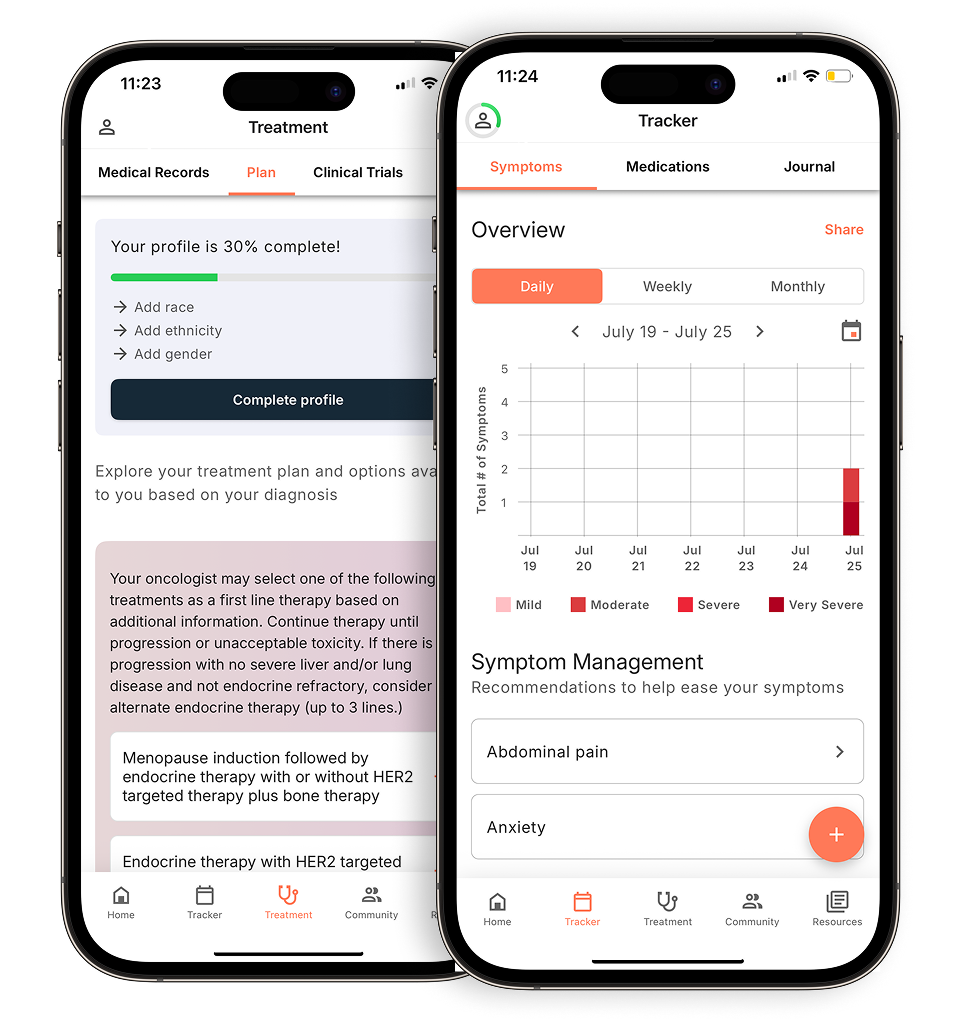
Of course, knowing the statistics is only part of the picture. Whether TMT is the right strategy for you depends on specific clinical and tumor factors, and that’s where the evaluation process gets highly individual.
Personalized predictors: are you a candidate for preservation?
Not every patient with MIBC is an equally strong candidate for bladder preservation, and knowing which clinical factors work in your favor is the first step toward an informed conversation with your care team.
The single biggest predictor of success for bladder preservation is whether your surgeon could remove all visible tumor before radiation begins. This procedure, called a maximal TURBT (transurethral resection of bladder tumor), is the foundation of trimodal therapy. Achieving a complete resection at this stage is the strongest indicator of a favorable outcome. If residual disease remains, the effectiveness of the radiation and chemotherapy that follow is meaningfully reduced.
Beyond surgical completeness, several tumor characteristics shape candidacy:
- Tumor size, Tumor size is one factor your care team may consider when discussing whether chemoradiation could be an option for you. Ask your doctor how your tumor’s size might affect treatment planning and outcomes.
- No hydronephrosis, The absence of kidney swelling signals that the tumor hasn’t obstructed the urinary tract, a positive indicator that the disease is more localized and treatable.
- Unifocal disease, A single tumor site, rather than multiple lesions, generally supports a stronger preservation outcome.
Genomic profiling is rapidly becoming central to this assessment. Analyzing a tumor’s genetic makeup helps oncologists predict how it will respond to radiation and chemotherapy, moving well beyond the traditional one-size-fits-all approach. Tumor characteristics play a role in treatment outcomes for muscle-invasive bladder cancer, and multidisciplinary assessment of individual risk factors is important when considering bladder preservation approaches. Many clinical trials for bladder preservation therapy now use biomarker data to match patients to the most effective protocols, a topic the next section covers in depth.
The role of biomarkers and genetic markers in MIBC
Biomarkers are reshaping how oncologists approach bladder preservation by moving toward treatment plans built around your tumor’s individual biology rather than generalized protocols.
DNA repair gene mutations are emerging as one of the most promising indicators of how well a tumor will respond to chemoradiation. Molecular markers like DNA repair gene mutations are actively being studied to predict which patients will respond best to trimodal therapy (TMT), a finding that could meaningfully change candidate selection. In practice, a tumor with specific DNA repair deficiencies may be far more sensitive to radiation, making bladder preservation a stronger option than a conventional assessment alone might suggest.
Cancer care guidance for every step of your journey
Get treatment options, clinical trials, and support tailored to your diagnosis--all in one place.
Get started
See treatment options, manage symptoms, and stay informed—all in the app
View treatment options and trials personalized to your diagnosis—plus track progress in real time.
Continue in appThis matters beyond the initial treatment decision. Understanding your genetic profile can also inform long-term monitoring strategies, particularly relevant given that the risk of bladder cancer recurrence after three years remains a real consideration for patients who’ve completed TMT. Tracking biomarker data and imaging results in one centralized platform makes it easier to spot patterns and respond quickly if something changes. If you’re exploring bladder-preserving treatment options for muscle-invasive bladder cancer, discussing genetic testing of your tumor with your care team may help guide which approach is right for you.
“The integration of molecular biomarkers into bladder preservation protocols represents one of the most significant shifts in MIBC management. Matching the right treatment intensity to the right tumor, rather than simply to the right stage, is now the goal.”, Frontiers in Oncology, 2025
Several active clinical trials are now testing biomarker-driven approaches to bladder sparing, aiming to refine which patients can safely avoid surgery based on their tumor’s molecular signature rather than clinical staging alone. This is still an evolving area, and not every center offers biomarker-guided TMT today, but it’s a conversation worth initiating with your oncologist now. Once you’ve understood how your biology shapes your treatment options, the next critical piece is what happens after therapy ends, and that requires an equally rigorous commitment to surveillance.
Life after TMT: the rigorous surveillance schedule
Choosing bladder preservation requires a long-term commitment to active monitoring that makes the difference between catching recurrence early and missing the window for effective intervention.
Preservation works when surveillance is taken as seriously as the treatment itself. The standard protocol calls for cystoscopy and CT imaging every three to six months during the first two years following TMT, the period when recurrence risk is highest. From years two through five following TMT, monitoring continues on a schedule adjusted based on patient response and risk profile.
Why does this intensity matter? Because the primary advantage of bladder preservation, keeping the option of salvage cystectomy open, depends entirely on catching any recurrence before it progresses beyond a treatable stage. Early detection converts a potential setback into a manageable next step, not a crisis.
For patients whose tumors have undergone genomic profiling for bladder cancer clinical trials or biomarker testing, tracking results over time adds another layer of data your team can use to spot concerning shifts before imaging confirms them. That kind of longitudinal record is hard to maintain mentally, which is where digital tools become genuinely useful. Apps that organize scan results, flag upcoming appointments, and log symptom changes help you stay on top of a demanding schedule without letting anything slip through.
Staying consistent with your surveillance calendar is the single most controllable factor in your preservation outcome, and it’s the foundation everything in the next section builds on.
What you need to know about recurrence
Bladder preservation after MIBC is a viable, evidence-backed strategy, but its success depends on understanding the full picture of recurrence risk before, during, and after treatment.
The core takeaway is this: TMT can deliver survival outcomes equivalent to surgery, provided patients are carefully selected and supported by rigorous follow-up. Research confirms that delayed salvage cystectomy performed if cancer returns after TMT doesn’t significantly compromise overall survival compared to having surgery upfront. This is meaningful reassurance: choosing bladder preservation keeps curative options available if recurrence occurs.
Monitoring is the mechanism that makes this safety net work. Without a committed surveillance schedule, recurrence can progress silently until it’s harder to treat. As covered earlier in this article, the post-TMT follow-up protocol is intensive by design, because catching a recurrence early is precisely what keeps the backup plan effective.
Personalized risk data matters most. Biomarkers for bladder preservation success, including tumor genetics and molecular profiling, are increasingly central to predicting how an individual’s cancer will behave. A one-size-fits-all risk estimate isn’t enough. Your specific tumor characteristics, response to induction chemotherapy, and genetic markers all shape the recurrence picture in ways that population-level statistics simply can’t capture.
Seeking a second opinion from a multidisciplinary team is essential. Multiple opinions from a multidisciplinary team are crucial for muscle-invasive bladder cancer to ensure all preservation options are fully explored. A urologist alone may default to surgery; a radiation oncologist brings a different lens. Together, they can evaluate whether trimodality therapy is appropriate for your specific case, and if bladder preservation isn’t successful, what salvage cystectomy after TMT failure might look like for you.
Knowing the full path forward, including contingency plans, is part of making a genuinely informed decision.
Disclaimer: The information provided in this article is for informational purposes only and is not intended to be a substitute for professional medical advice, diagnosis, or treatment. Outcomes4Me is not acting as your caregiver, and any suggestions or guidance offered should not replace the advice of your healthcare provider or qualified medical professional. Always seek the guidance of your physician or other qualified health provider with any questions you may have regarding a medical condition.
Personalized support for real care decisions
Understand your diagnosis, explore clinical trials, and track symptoms--all in one place.
Get started
Compare treatments, prepare for appointments, and track side effects—all in the app
Built for your diagnosis, Outcomes4Me gives you the tools to make confident, informed decisions—right when you need them.
Continue in app