New research presented in Boston at the 2026 American Society for Radiation Oncology (ASTRO) Annual Meeting highlights two approaches that could help personalize radiation treatment for people with non-small cell lung cancer (NSCLC). The findings looked at radiation therapy for older and frail adults with stage II–III NSCLC and the long-term benefits of combining radiation with immunotherapy for early-stage NSCLC.
Together, the studies offer encouraging insights into how treatment can be tailored to improve outcomes while balancing side effects and quality of life.
1) Study supports tailored radiation treatment for older adults with NSCLC
For older adults with stage II–III NSCLC, standard treatments may be difficult to tolerate because of other health conditions or frailty. A study of more than 1,800 people found that radiation therapy alone was associated with meaningful survival, including in people aged 75 and older. Serious treatment-related side effects were uncommon, occurring in about 8% of patients, although these side effects had a greater impact on survival in older adults. Importantly, receiving a lower radiation dose wasn’t linked to shorter overall survival, suggesting that some older or frail patients may be able to receive a dose tailored to what they can safely tolerate.
These findings are important because they support a more individualized approach to radiation therapy for older adults, balancing cancer treatment with safety and quality of life.
2) Combining immunotherapy and radiation may help prevent NSCLC from returning
A 6-year follow-up study suggests that adding the immunotherapy drug nivolumab to stereotactic ablative radiotherapy (SABR) may help some people with early-stage NSCLC live longer and remain cancer-free longer. At 6 years, 55% of people who received the combination remained free of cancer-related events, compared with 32% who received SABR alone, while overall survival was 69% versus 55%. This is important because SABR is already an effective treatment for people with early-stage NSCLC who can’t have surgery, but cancer can still return after treatment. Although adding immunotherapy caused more serious side effects, no cases of severe pneumonitis or grade 4 or higher toxicity were reported.
While larger phase 3 trials are needed, these long-term results are encouraging and suggest that combining radiation with immunotherapy could offer a new way to reduce the risk of recurrence and improve long-term outcomes for some people with early-stage NSCLC.
Disclaimer: The information provided in this article is for informational purposes only and is not intended to be a substitute for professional medical advice, diagnosis, or treatment. Outcomes4Me is not acting as your caregiver, and any suggestions or guidance offered should not replace the advice of your healthcare provider or qualified medical professional. Always seek the guidance of your physician or other qualified health provider with any questions you may have regarding a medical condition.
Personalized support for real care decisions
Understand your diagnosis, explore clinical trials, and track symptoms--all in one place.
Get started
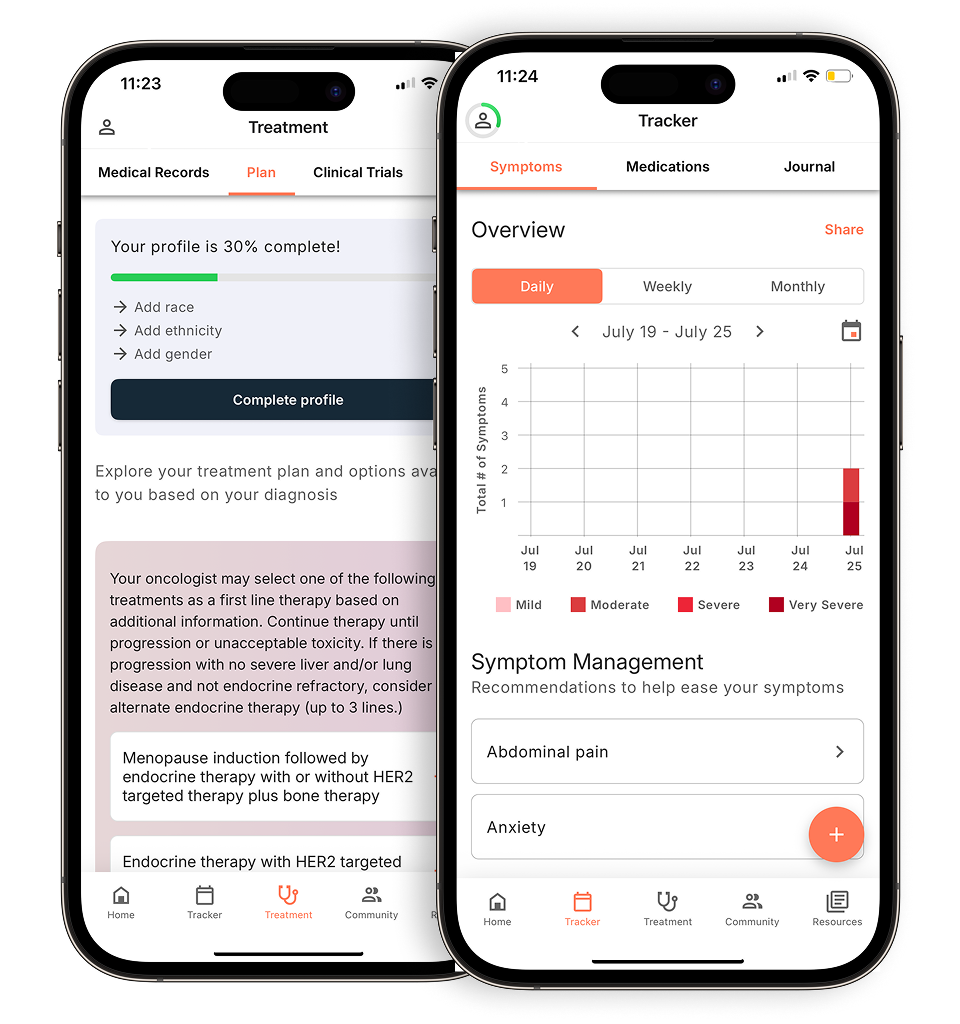
Compare treatments, prepare for appointments, and track side effects—all in the app
Built for your diagnosis, Outcomes4Me gives you the tools to make confident, informed decisions—right when you need them.
Continue in app