Twenty-two years ago, Sue Weldon was in the middle of breast cancer treatment. Alongside her medical care, she leaned into therapies like acupuncture, yoga, and nutrition support, and she started “feeling like my old self.” Then she met a young woman in treatment who looked the way Sue had looked. “She looked like me,” Sue recalls. “Hollow skin, hollow eyes, and a yellowish tone in the skin, and no hair, and it was [just like] me.”
Sue shared everything that had helped her. The woman cried and told her, “Good for you. I could never afford that.”
“They were the eight words that really led me to start a nonprofit,” Sue said. “Made me realize, shame on me, healthcare is not equal. Equity is a thing.”
That moment led her to start Unite for HER, a nonprofit that has spent the past 17 years helping people with breast and ovarian cancer get integrative therapies at no cost.
In a recent Outcomes4Me community conversation, Sue talked about what integrative care really means. Here are the main points.
Integrative is not “alternative”
Before getting into specific therapies, it helps to define a few terms that often get used as if they meant the same thing.
“Integrative and complementary are alongside your medical treatment,” Sue explains. “Integrative is adding it to your care plan. When I hear the word alternative, I hear an either-or, and that’s not what we’re about.”
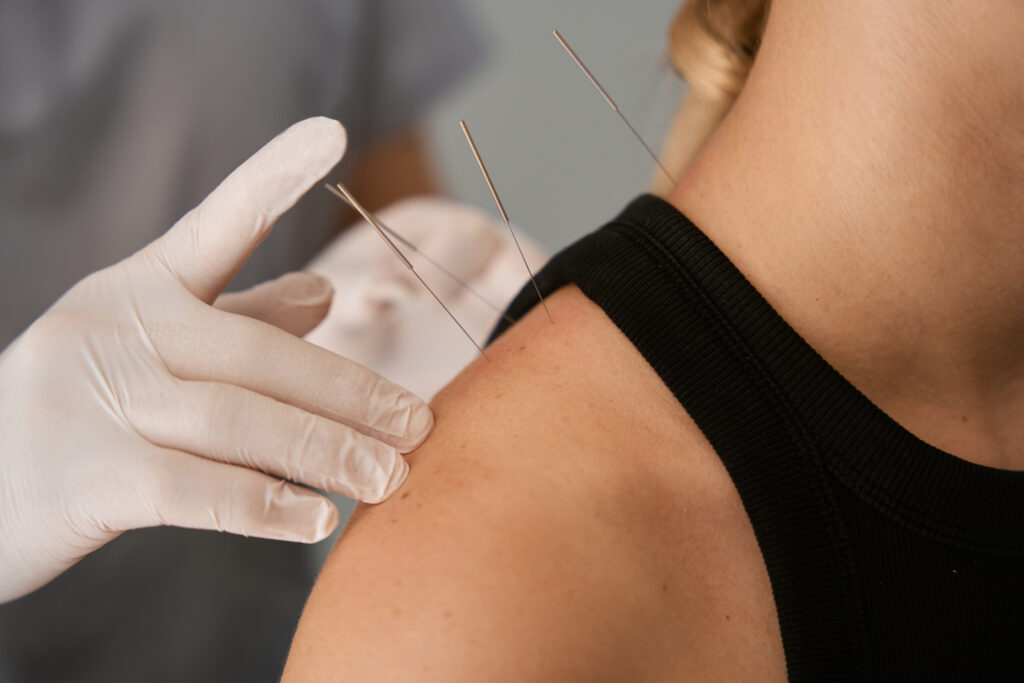
Some approaches promoted online have little or no clinical evidence behind them, and some can interfere with chemotherapy, radiation, or other therapies. Evidence-based integrative care uses approaches that have been studied, such as acupuncture, oncology massage, yoga, counseling, nutrition, and exercise, and it keeps your care team informed. Sue says, “You are a part of the team, and you bring them in to let them know what you are doing.”
Integrative care also doesn’t mean adding more medication. “An integrative approach is not more drugs and prescriptions,” Sue shares, “but an approach that uses different types of therapies like medical acupuncture, oncology massage, yoga, counseling, ecotherapy, sexual health, nutrition, fitness, and movement.”
The research keeps growing
Major oncology meetings are paying more attention to supportive therapies. Sue pointed to a study that followed more than 400 cancer survivors, most of them breast cancer survivors, who did a regular yoga practice. Participants saw improvements in cancer-related fatigue and stress.
“We all know moving is so positive,” Sue notes. “If we could have a prescription for movement, everybody would want one.”
For people who want to read the research themselves, the Society of Integrative Oncology is a reliable place to start. “Knowledge is more power,” Sue says. Bringing real data to an appointment can also make it easier to talk with your oncologist about symptoms.
The gap between oncology care and supportive care
Even with more evidence, many cancer centers have been slow to offer these therapies. The largest, best-funded centers may have them in-house, but there are often barriers:
- Cost: A copay for one acupuncture or massage session may seem small, but a typical course adds up quickly. “Having 10 to 12 treatments adds up, and it should not be this luxury,” Sue emphasizes. “It is truly needed as a comprehensive part of the approach.”
- Setting: “Sometimes people don’t want to go back to the hospital that they were treated at,” Sue shares. “They just want to be in the community and feel like they’re normal again.”
- Availability: Even where services exist, appointments are “few and far between.”
Sue was clear that oncologists have a demanding job. “They’re treating that cancer, and there are so many new therapies that are out,” she says. “They are looking for that treatment that you can sustain and not have these arduous symptoms.” Integrative care supports the physical and emotional side of that process, which can also help people stay on the treatments their care team recommends.
Side effects that deserve attention
Many patients play down their symptoms, thinking, “I’m alive. I shouldn’t bother my oncologist with this.” Sue disagrees. “We should expect more than just surviving,” she says.
According to Sue, “cancer-related fatigue is really at the top of the list, along with GI issues.” Other side effects that integrative therapies may help with include:
- Bone and joint pain
- Hot flashes and other symptoms of treatment-induced menopause
- Sleep problems
- Anxiety and depression
- Sexual health concerns, including low libido, dryness, and pain
“There are so many emotional and physical side effects that occur with a cancer diagnosis that we don’t want to minimize,” says Sue.
Many of these effects continue after active treatment ends. “Once you ring a bell and say that you’re done, you’re not done,” Sue explains. “Your body is healing in a way that takes time, but it needs to be supported.”
Getting started
If you are feeling overwhelmed by side effects, these steps can help:
- Tell your care team about your symptoms. Fatigue, pain, hot flashes, sleep problems, and sexual health concerns are all worth raising.
- Bring evidence. Sources like SIO and published studies can help you start a productive conversation.
- Pick one thing to try. You don’t need a complete plan right away. A gentle yoga class, a session with a registered dietitian, or a counseling appointment is a good place to start.
- Check credentials and coverage. Use trusted directories, and ask your insurance plan and local nonprofits what support they offer.
- Let others help. “Give yourself space and grace to actually accept help,” Sue advises. “When you have resources on your side, a different world opens up, and you don’t have to do it alone.”
“I want you to expect more and desire more than just surviving. I want you to feel like you can heal,” Sue says.
Disclaimer: The information provided in this article is for informational purposes only and is not intended to be a substitute for professional medical advice, diagnosis, or treatment. Outcomes4Me is not acting as your caregiver, and any suggestions or guidance offered should not replace the advice of your healthcare provider or qualified medical professional. Always seek the guidance of your physician or other qualified health provider with any questions you may have regarding a medical condition.