If you or a loved one has chronic lymphocytic leukemia (CLL), you may have heard about a newer treatment called pirtobrutinib. Recent research is showing promising results, both for people who are newly diagnosed and those whose cancer has come back after treatment.
Here’s what you need to know.
What is pirtobrutinib?
Pirtobrutinib is a type of targeted therapy known as a Bruton’s tyrosine kinase inhibitor (BTK inhibitor, or BTKi). These drugs work by blocking signals that help CLL cells grow and survive.
What makes pirtobrutinib different is that it’s a noncovalent BTK inhibitor, designed to work even in cases where other BTK inhibitors may stop being effective.
New findings in untreated CLL
A large clinical trial looked at how pirtobrutinib compares to a more traditional chemotherapy combination called bendamustine plus rituximab (BR) in people who had never been treated before.
The results were striking:
- Patients taking pirtobrutinib lived significantly longer without their cancer worsening
- Researchers described the benefit as one of the strongest seen for a BTK inhibitor
- The study suggests pirtobrutinib could become a new standard of care, especially for older adults or patients who may only be able to tolerate one line of therapy
This study is especially notable because it’s the first phase III trial to test this type of BTK inhibitor specifically in untreated CLL.
What about relapsed or refractory CLL?
In 2025, pirtobrutinib was approved for people whose CLL has returned (relapsed) after a covalent BTK inhibitor.
In studies of patients receiving pirtobrutinib as a second-line treatment, researchers found:
- About 68% of patients responded to treatment
- Around 13.5% achieved a complete remission or near-complete remission
- The median time patients lived without disease progression was about 19.5 months
- Patients went a median of 32.5 months before needing another treatment
- Overall survival data is still developing, but many patients were still alive at the time of analysis
These results show that pirtobrutinib can still be effective—even when other treatments have stopped working.
Why timing may matter
Experts have noted an important trend. Pirtobrutinib may work even better when used earlier in treatment. While it’s effective in relapsed CLL, the strongest benefits appear to be in patients who receive it as a first treatment. This is something researchers are continuing to study.
How does it compare to other options?
Another BTK inhibitor, zanubrutinib, is also approved for relapsed or refractory CLL.
In long-term studies:
- Patients taking zanubrutinib had a median progression-free survival of over 4 years
This highlights that there are multiple effective treatment options, and the best choice can depend on your specific situation, prior treatments, and overall health.
What this means for you
The growing research around pirtobrutinib is encouraging. It may offer a powerful new option for newly diagnosed patients and provide another line of defense for those whose cancer has returned.
As always, treatment decisions should be made with your healthcare team, who can help you understand which option is best for you.
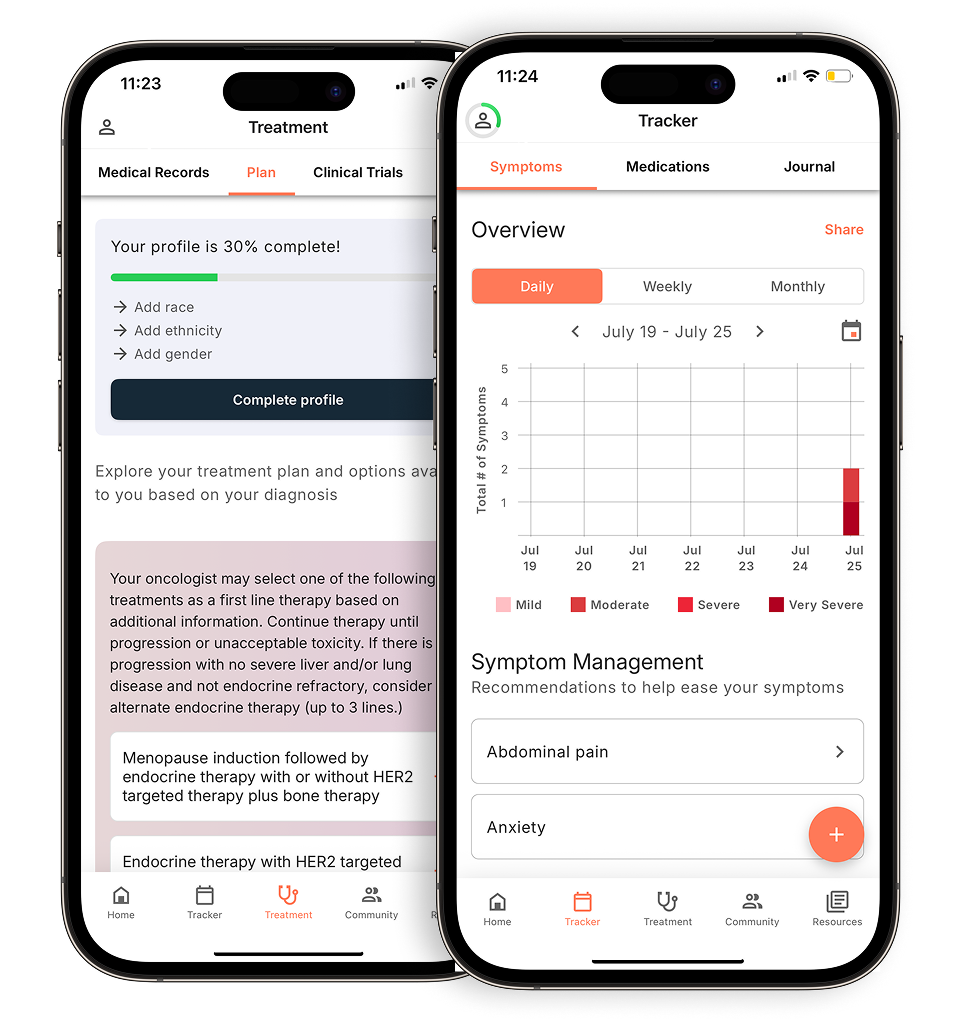
Whether you’re newly diagnosed or navigating the next step in your care, staying informed can help you feel more empowered in your treatment journey. Join Outcomes4Me for the latest updates.
Personalized support for real care decisions
Understand your diagnosis, explore clinical trials, and track symptoms--all in one place.
Get started
Compare treatments, prepare for appointments, and track side effects—all in the app
Built for your diagnosis, Outcomes4Me gives you the tools to make confident, informed decisions—right when you need them.
Continue in app