
Digestive issues like nausea, diarrhea, and constipation are common during multiple myeloma treatment. For many patients, they can be just as disruptive as the disease itself. While these symptoms are frustrating, it’s important to understand that they are most often caused by treatment, not the cancer. Certain medications, supportive drugs, and even changes in activity level can all affect how your digestive system functions.
That said, multiple myeloma can occasionally contribute to gastrointestinal (GI) symptoms. Rarely, abnormal plasma cells may affect the GI tract directly, and complications like amyloidosis can interfere with digestion and absorption. Still, in day-to-day care, most digestive symptoms are linked to therapy, which means they can often be managed with the right strategies and support.
Recognizing when symptoms need attention
Digestive side effects can escalate if left unaddressed, so early communication with your care team is essential. Tell your care team right away if you notice:
- Persistent nausea lasting more than 48 hours
- Diarrhea occurring more than 4 times daily
- Unintentional weight loss
- Blood in stool
- Severe abdominal pain or cramping
- Difficulty swallowing
Understanding the most common symptoms: Nausea, diarrhea, and constipation
Nausea is one of the most common side effects, though its severity varies depending on the treatment. Taking anti-nausea medications as prescribed, sometimes even before symptoms begin, can make a meaningful difference. Eating smaller, more frequent meals, avoiding greasy or strong-smelling foods, and staying hydrated are simple but effective ways to reduce discomfort.
Evidence-based guidance powered by NCCN Guidelines®
Personalized treatment plans shaped by the latest oncology standards—tailored to your diagnosis.
Get started
View your personalized treatment plan in the Outcomes4Me app
Use your diagnosis to unlock personalized NCCN Guidelines®-aligned recommendations.
Continue in app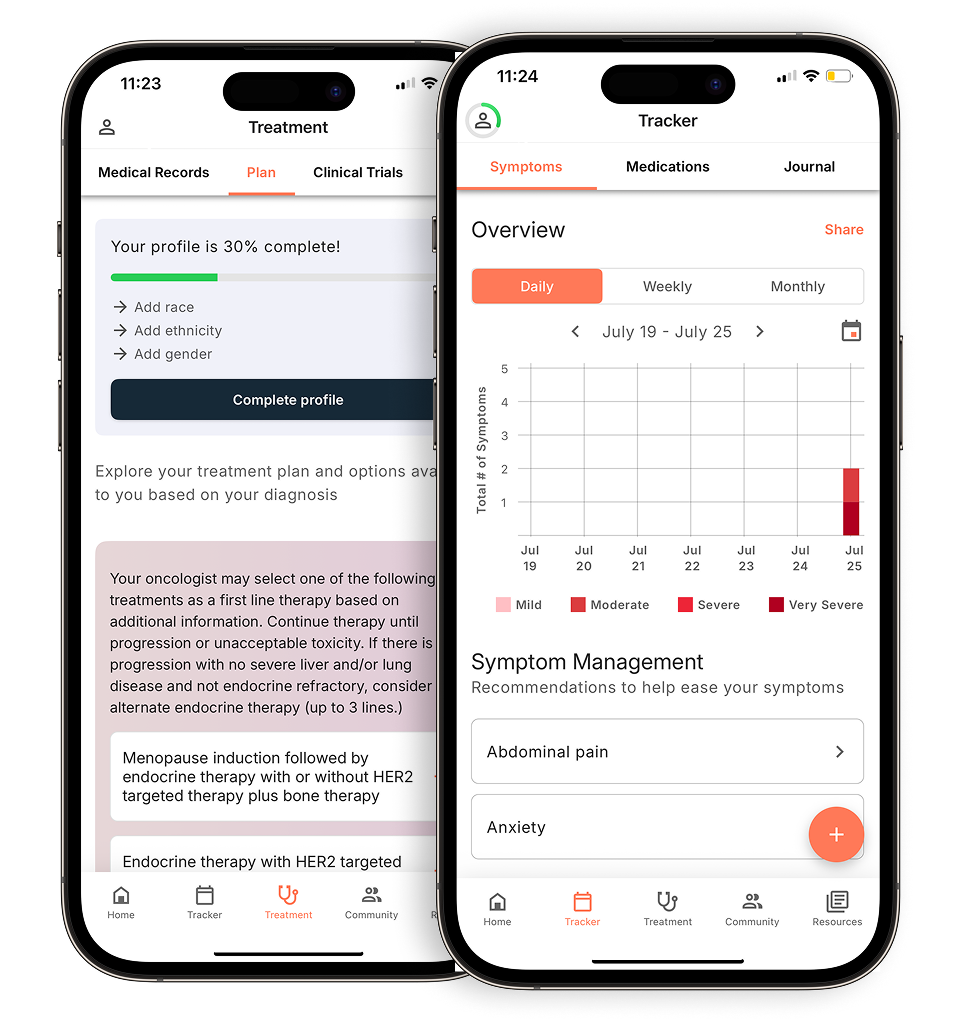
Diarrhea is another frequent challenge, particularly for patients taking lenalidomide. Studies suggest that up to 20–40% of patients on maintenance therapy experience it. While it may seem like a routine side effect, persistent diarrhea shouldn’t be ignored. In some cases, it’s caused by bile acid malabsorption, a condition where bile acids are not properly reabsorbed and instead irritate the colon. This type of diarrhea often requires a different treatment approach than standard anti-diarrheal medications, which is why it’s important to raise ongoing symptoms with your care team.
Constipation tends to be less discussed but is equally common. It can be caused by chemotherapy or other drugs like pain medications or certain anti-nausea drugs. Reduced physical activity and dehydration can make it worse. Addressing constipation early with hydration, gentle movement, diet, and medications when needed can prevent more severe discomfort later on.
Looking deeper: Why these symptoms happen
Understanding what’s driving your symptoms can help you and your care team find more targeted solutions. For example, bile acid malabsorption is increasingly recognized in myeloma patients, particularly those on lenalidomide. Small clinical studies, including research from Memorial Sloan Kettering Cancer Center, suggest that medications like bile acid sequestrants can significantly improve symptoms in these cases.
For patients undergoing stem cell transplantation, the gut microbiome also plays a role. Research shows that lower diversity in gut bacteria is associated with greater GI toxicity after transplant. However, this is still an evolving area of science, and interventions like probiotics are not universally recommended, especially for immunocompromised patients, without guidance from a care team.
The role of diet in symptom management
What you eat can either fuel your recovery or intensify GI distress.
Here’s what works in practice:
- Eat small meals every 2–3 hours instead of three large ones. Smaller portions reduce stomach pressure and minimize nausea triggers throughout the day.
- Replenish with electrolyte-rich fluids like diluted sports drinks or coconut water if you’re experiencing diarrhea.
- Stick to cooked vegetables during neutropenic phases. Raw produce carries bacterial risk when your immune system is compromised; steaming or roasting eliminates that concern without sacrificing nutrition.
- Try ginger or peppermint in tea, chews, or capsule form. Both have well-documented anti-nausea properties and are easy to tolerate on a sensitive stomach.
- Cut high-fat, greasy foods from your plate during active treatment. Fatty foods can exacerbate symptoms.
Even small, consistent dietary adjustments add up, though some symptoms may signal something more serious than diet alone can address.
When to seek urgent care
While many digestive symptoms can be managed at home, some require immediate attention. Signs of dehydration, inability to keep fluids down, fever, severe abdominal pain, or blood in the stool or vomit should never be ignored. These symptoms can escalate quickly and may require prompt medical intervention.
Moving forward
Managing digestive side effects during multiple myeloma treatment is often an ongoing process of adjustment. The key is not to “push through” symptoms, but to address them early and work with your care team to find solutions that fit your treatment plan. With the right support, most GI side effects can be controlled, allowing you to stay on track with treatment while maintaining your quality of life.
Outcomes4Me is here to help you better understand your diagnosis and treatment options. You deserve clear, trustworthy information at every step.
Personalized support for real care decisions
Understand your diagnosis, explore clinical trials, and track symptoms--all in one place.
Get started
Compare treatments, prepare for appointments, and track side effects—all in the app
Built for your diagnosis, Outcomes4Me gives you the tools to make confident, informed decisions—right when you need them.
Continue in app