
For people with advanced clear cell renal cell carcinoma (ccRCC), the most common type of kidney cancer, researchers are continuing to look for new treatments, especially for cancer that has stopped responding to standard therapies.
One potential new option is casdatifan, a treatment designed to block a protein called hypoxia-inducible factor 2-alpha (HIF-2α). Early results from a clinical trial suggest that casdatifan may help shrink tumors in some people with previously treated metastatic ccRCC, while causing side effects that were generally manageable.
These findings are still early, but they are encouraging and have led to additional studies of casdatifan.
What is HIF-2α?
To understand how casdatifan works, it helps to know about HIF-2α.
HIF-2α is a protein that normally helps cells respond when there isn’t enough oxygen. But in many clear cell kidney cancers, HIF-2α builds up inside cancer cells and can send signals that help tumors grow and spread.
Researchers have been studying whether blocking HIF-2α could slow down or stop some of these signals. Casdatifan is designed to block HIF-2α, preventing it from activating pathways that cancer cells can use to grow.
Evidence-based guidance powered by NCCN Guidelines®
Personalized treatment plans shaped by the latest oncology standards—tailored to your diagnosis.
Get started
View your personalized treatment plan in the Outcomes4Me app
Use your diagnosis to unlock personalized NCCN Guidelines®-aligned recommendations.
Continue in app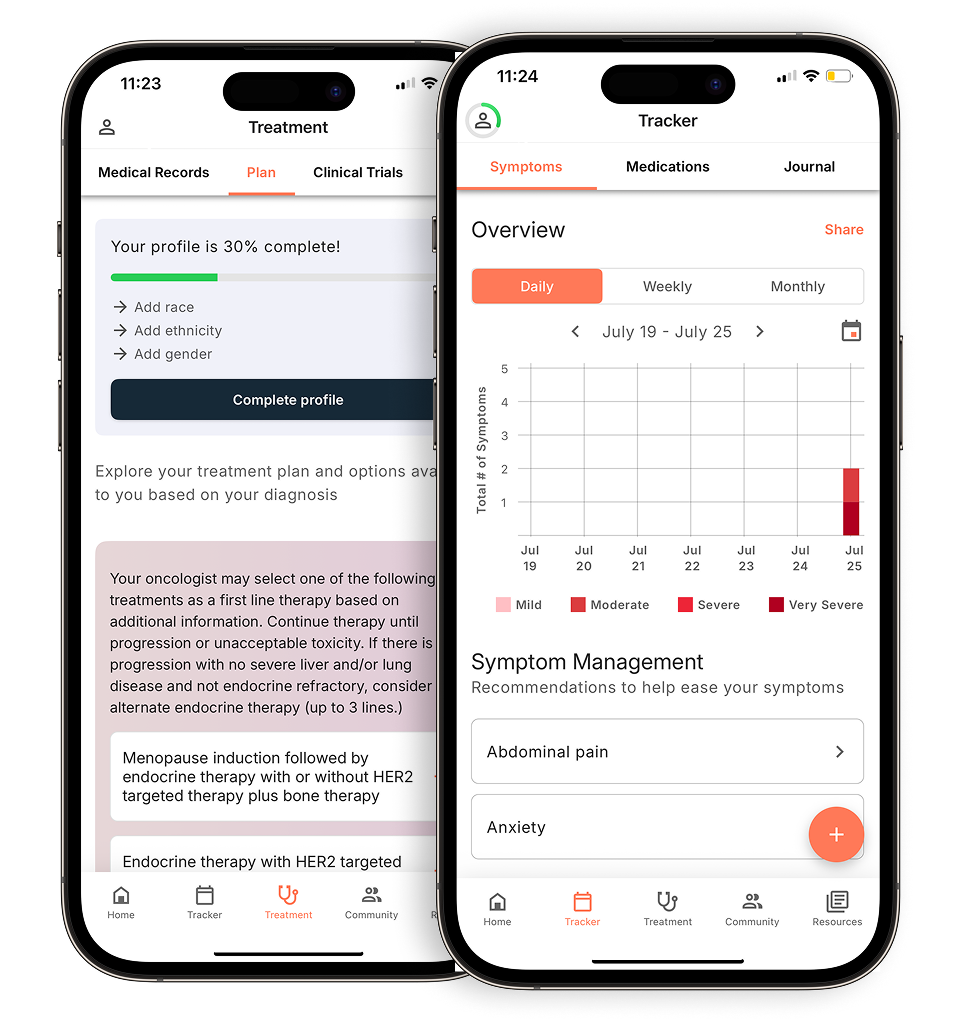
What did the clinical trial find?
The ARC-20 trial was an early-stage study led by Dana-Farber Cancer Institute. It included 127 people with metastatic ccRCC who had already received standard treatments.
Because this was an early phase I study, the main goals were to understand how safe casdatifan was, determine the appropriate dose, and look for early signs that the treatment was working.
Overall, researchers found that casdatifan was generally well tolerated. The side effects were manageable and were similar to side effects researchers have seen with other medicines that target HIF-2α.
Researchers also saw encouraging signs that casdatifan could help shrink tumors.
Among people who received the 100 mg dose, which researchers selected for future studies, 35% experienced an objective response. In simple terms, this means their tumors shrank by a certain amount based on the study’s criteria.
It’s important to put this result in context. ARC-20 was a small, early-stage study without a group receiving another treatment for comparison. So, these results don’t yet tell us whether casdatifan is better than current treatments or how long its benefits may last.
How do researchers know the treatment is doing what it’s supposed to?
The researchers didn’t just look at whether tumors shrank. They also looked for biological signs that casdatifan was affecting HIF-2α.
They analyzed blood and tissue samples for biomarkers, which are measurable signs that can provide information about what’s happening inside the body or a tumor.
The study found changes in biomarkers associated with blocking HIF-2α. These changes also appeared to track with clinical benefit, suggesting that casdatifan was reaching its intended target and affecting the cancer in the way researchers expected.
This is important because it gives researchers additional evidence that the treatment’s underlying approach may be working, not simply that some tumors happened to shrink.
What’s next for casdatifan?
The encouraging results from ARC-20 are leading to larger studies.
Researchers are now studying casdatifan in the PEAK-1 phase III clinical trial, which is comparing:
- Casdatifan + cabozantinib
- Cabozantinib alone
The trial is enrolling people with metastatic ccRCC whose cancer has progressed after immunotherapy.
Unlike an early phase I study, a phase III trial is designed to provide a much clearer picture of how well a treatment works and how its benefits and side effects compare with an existing treatment.
What does this mean for people with kidney cancer?
Casdatifan is an example of how researchers are using a better understanding of cancer biology to develop new treatment options.
The early results are promising, but casdatifan is still being studied. The ARC-20 results alone aren’t enough to know whether it will become a standard treatment for kidney cancer.
If you have metastatic ccRCC that has progressed after treatment, talk with your cancer care team about your options. Depending on your individual situation, a clinical trial may give you an opportunity to access a treatment that is still being studied while helping researchers learn more about how to treat kidney cancer.
As researchers continue studying HIF-2α and other targets in ccRCC, these discoveries could lead to more personalized treatment options for people living with advanced kidney cancer.
Disclaimer: The information provided in this article is for informational purposes only and is not intended to be a substitute for professional medical advice, diagnosis, or treatment. Outcomes4Me is not acting as your caregiver, and any suggestions or guidance offered should not replace the advice of your healthcare provider or qualified medical professional. Always seek the guidance of your physician or other qualified health provider with any questions you may have regarding a medical condition.
Personalized support for real care decisions
Understand your diagnosis, explore clinical trials, and track symptoms--all in one place.
Get started
Compare treatments, prepare for appointments, and track side effects—all in the app
Built for your diagnosis, Outcomes4Me gives you the tools to make confident, informed decisions—right when you need them.
Continue in app