
Finishing treatment for renal cell (kidney) cancer can bring a mix of relief and uncertainty. Many patients expect to feel “done” with cancer, but survivorship often comes with new questions. One of the most common is how to watch for signs that the cancer might come back. Understanding what follow-up care looks like and what to pay attention to can help you feel more prepared and more in control.
After treatment for renal cell (kidney) cancer, your care team will recommend a follow-up plan. This is sometimes called surveillance. The goal is to monitor your health over time, check for any signs of recurrence, and manage any long-term side effects from treatment. The exact plan depends on your original cancer stage, type of treatment, and overall health, but most patients can expect regular imaging and check-ins for several years.
Evidence-based guidance powered by NCCN Guidelines®
Personalized treatment plans shaped by the latest oncology standards—tailored to your diagnosis.
Get started
View your personalized treatment plan in the Outcomes4Me app
Use your diagnosis to unlock personalized NCCN Guidelines®-aligned recommendations.
Continue in app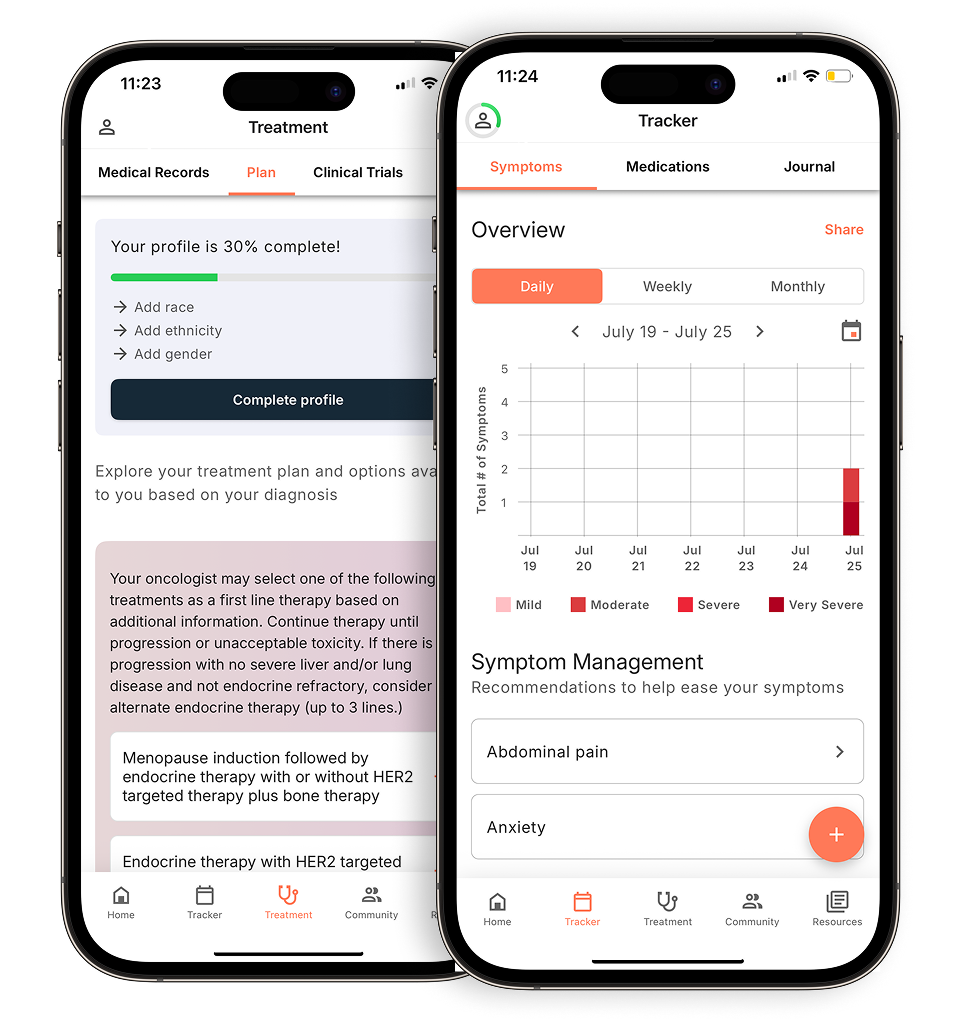
Imaging is one of the most important tools used to monitor for recurrence. This often includes CT scans of the chest, abdomen, and pelvis, or sometimes MRI or ultrasound. Renal cell (kidney) cancer can return in the kidney area or show up in other parts of the body, most commonly the lungs, bones, or liver. That is why scans often include more than just the kidneys. In the first few years after treatment, imaging is usually done more frequently, often every 6 to 12 months, and then less often over time if everything remains stable.
In addition to imaging, your doctor may order blood tests to monitor kidney function and overall health. While there is no single blood test that can reliably detect kidney cancer recurrence, these labs can help identify changes that may need further evaluation. If you had part or all of a kidney removed, monitoring kidney function becomes especially important over time.
It is also important to pay attention to how you feel. Some symptoms could signal a recurrence, although many of these symptoms can also be caused by other, less serious conditions. These may include new or persistent pain in the back or side, unexplained weight loss, ongoing fatigue, shortness of breath, or a persistent cough. Blood in the urine is another symptom that should always be evaluated. If something feels new, unusual, or does not go away, it is worth bringing up with your care team.
At the same time, it is important not to live in a constant state of fear over every symptom. Most aches, pains, and changes in how you feel will not be cancer. This is one of the hardest parts of survivorship, finding the balance between staying aware and not becoming overwhelmed. Having a clear follow-up plan and knowing when to call your doctor can help reduce that uncertainty.
Lifestyle factors can also play a role in long-term health after renal cell (kidney) cancer. Staying physically active, maintaining a healthy weight, managing blood pressure, and avoiding smoking can all support kidney health and overall well-being. These choices may not prevent recurrence on their own, but they help create the best possible environment for your body moving forward.
Survivorship is not just about monitoring for recurrence. It is also about adjusting to life after cancer. This can include managing anxiety around scans, rebuilding strength, and finding a new sense of normal. Many patients find it helpful to connect with others who have gone through a similar experience or to speak with a therapist who understands the emotional side of cancer recovery.
If you are unsure what your follow-up plan should look like, or if you feel like something is missing, it is okay to ask questions. You deserve to understand your care and to feel confident in the plan moving forward.
With the Outcomes4Me app, you can access personalized, evidence-based information about your diagnosis, understand recommended follow-up care, and track your health over time. It is a simple way to stay informed and feel more confident in the plan moving forward.
Personalized support for real care decisions
Understand your diagnosis, explore clinical trials, and track symptoms--all in one place.
Get started
Compare treatments, prepare for appointments, and track side effects—all in the app
Built for your diagnosis, Outcomes4Me gives you the tools to make confident, informed decisions—right when you need them.
Continue in app