Treatment for triple-negative breast cancer (TNBC) has changed dramatically in recent years. One of the biggest advances has been the addition of immunotherapy in both earlier-stage and metastatic TNBC.
Drugs called immune checkpoint inhibitors, including pembrolizumab (Keytruda), help the immune system recognize and attack cancer cells more effectively. For many patients, these treatments have improved outcomes and reduced the risk of recurrence. But like many cancer treatments, immunotherapy can also come with serious side effects. One rare but important complication patients should know about is adrenal insufficiency, which in severe cases can lead to an adrenal crisis.
Your adrenal glands are small glands located on top of your kidneys. They produce important hormones, including cortisol, which helps regulate blood pressure, blood sugar, energy levels, stress response, and many other body functions. Immunotherapy works by activating the immune system. Sometimes, that activated immune system can mistakenly attack healthy organs, including the adrenal glands or the pituitary gland in the brain, which helps control hormone production. When this happens, the body may stop producing enough cortisol. This condition is called adrenal insufficiency. Although uncommon, adrenal insufficiency can become life-threatening if it is not recognized and treated quickly.
An adrenal crisis is a medical emergency caused by dangerously low cortisol levels. Symptoms can develop gradually or appear suddenly and may include:
- Severe fatigue
- Dizziness or fainting
- Nausea or vomiting
- Confusion
- Low blood pressure
- Dehydration
- Muscle weakness
- Abdominal pain
- Low sodium levels
Because many of these symptoms can overlap with chemotherapy side effects, dehydration, infection, or even cancer itself, adrenal insufficiency can sometimes be missed initially.
Most patients will never experience adrenal insufficiency. But immune-related endocrine side effects are well documented with checkpoint inhibitor therapy, and adrenal insufficiency has been reported in patients receiving immunotherapy for TNBC. In rare situations, it can progress to adrenal crisis if symptoms are overlooked. This does not mean patients should avoid immunotherapy. For many people with TNBC, these treatments can be extremely effective and potentially lifesaving. Instead, it highlights the importance of patients understanding possible symptoms and having oncology teams that monitor for immune-related side effects carefully.
The good news is that awareness, monitoring, and early intervention can make a major difference. Understanding both the benefits and the risks of treatment helps patients advocate for themselves and recognize when something may need medical attention.
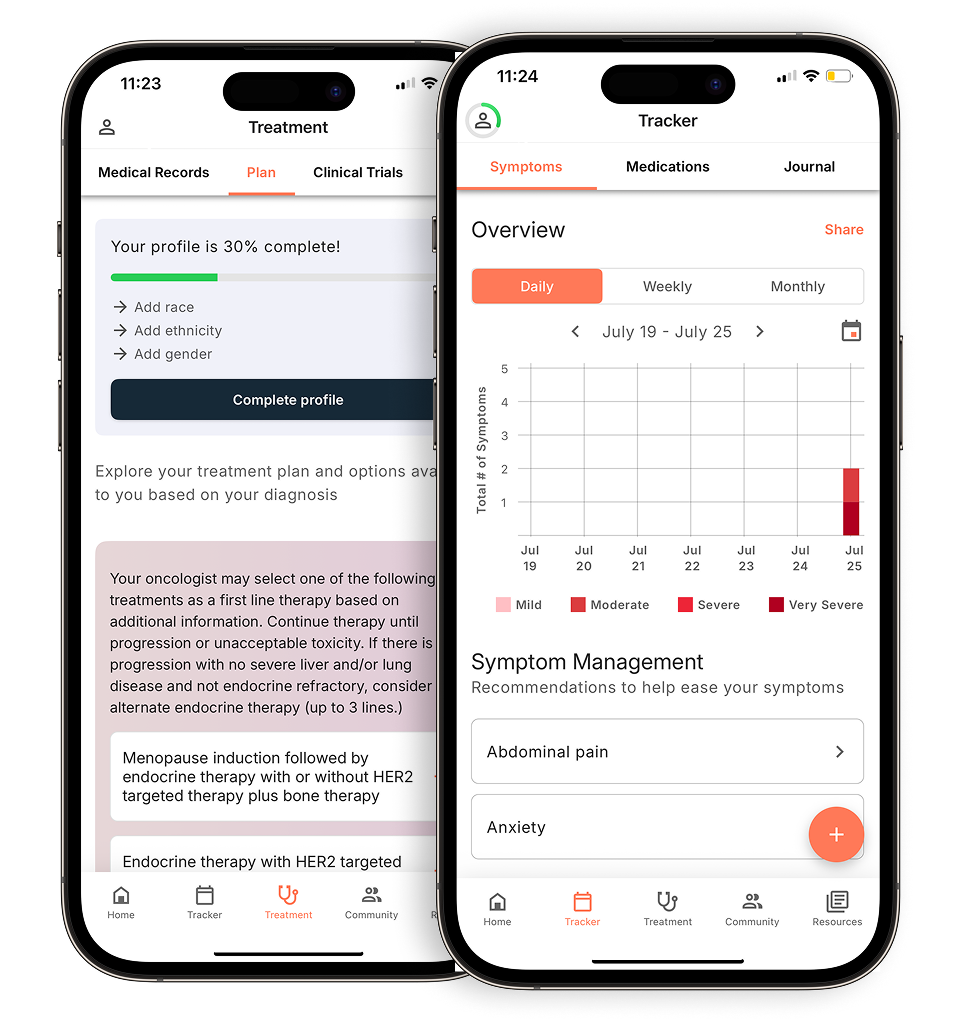
If you are navigating TNBC treatment, the Outcomes4Me app can help you learn more about your diagnosis, treatment options, side effects, biomarkers, and clinical trials so you can have more informed conversations with your care team.
Personalized support for real care decisions
Understand your diagnosis, explore clinical trials, and track symptoms--all in one place.
Get started
Compare treatments, prepare for appointments, and track side effects—all in the app
Built for your diagnosis, Outcomes4Me gives you the tools to make confident, informed decisions—right when you need them.
Continue in app