Every year, the American Society of Clinical Oncology (ASCO) Annual Meeting brings together cancer researchers, oncologists, and advocates to discuss the latest advances in cancer care. Some studies presented at ASCO may eventually change how bladder cancer is treated. Others help answer important questions patients and families are already asking in the clinic.
This year, several bladder cancer updates drew attention because they focused on issues patients care deeply about, including whether newer treatment combinations can help patients live longer, how treatment affects quality of life, and whether immunotherapy-based approaches can improve outcomes in earlier-stage disease.
Here are three bladder cancer updates patients and advocates should pay attention to following ASCO 2026.
1. EV-302: Long-term follow-up of enfortumab vedotin plus pembrolizumab in advanced bladder cancer
One of the most important bladder cancer studies at ASCO 2026 is the Phase III EV-302 study, also known as KEYNOTE-A39. This trial evaluated enfortumab vedotin plus pembrolizumab (EV/P) compared with chemotherapy in patients with previously untreated locally advanced or metastatic bladder cancer.
Evidence-based guidance powered by NCCN Guidelines®
Personalized treatment plans shaped by the latest oncology standards—tailored to your diagnosis.
Get started
View your personalized treatment plan in the Outcomes4Me app
Use your diagnosis to unlock personalized NCCN Guidelines®-aligned recommendations.
Continue in app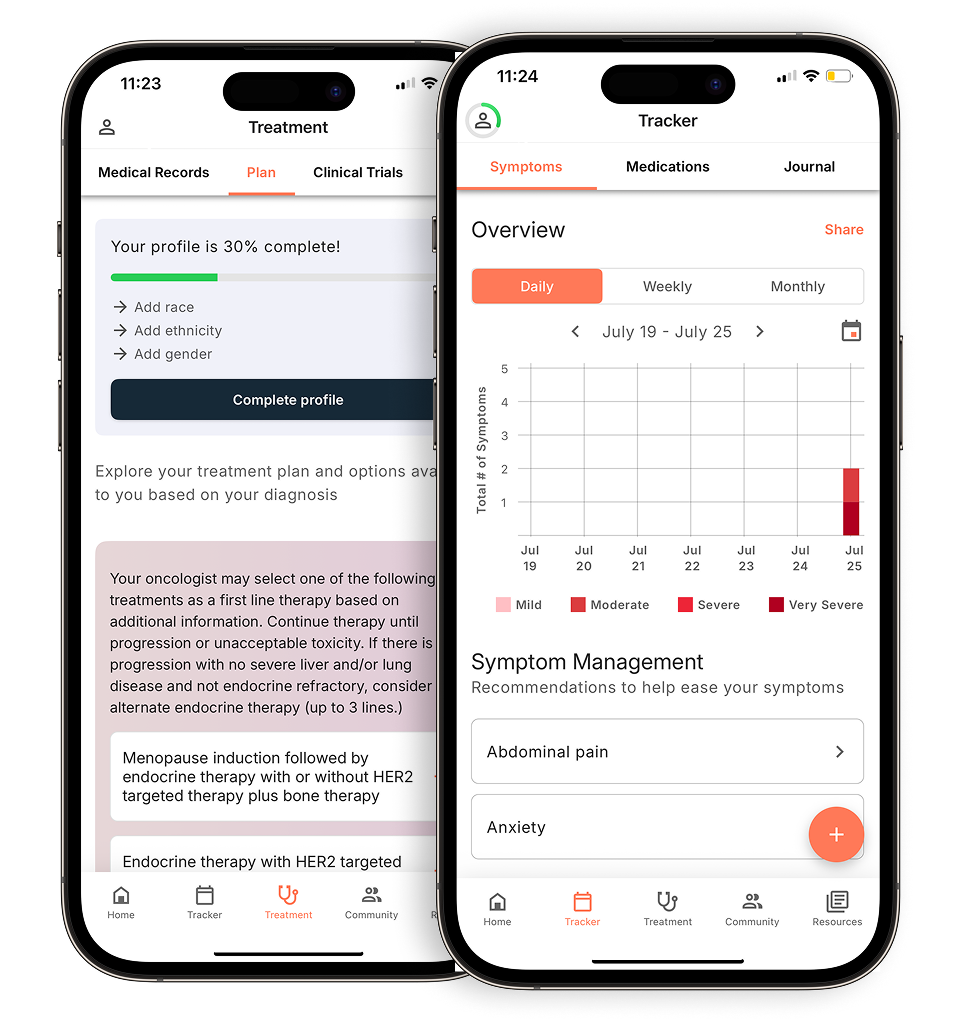
At ASCO 2026, researchers presented a 3.5-year follow-up and response analysis from EV-302. This update is important because earlier results helped establish enfortumab vedotin plus pembrolizumab as a major first-line treatment option in advanced bladder cancer. Longer follow-up can help patients and doctors better understand how durable the benefits are and whether any new safety concerns appear over time. The study authors reported that the EV/P combination regimen continued to show superior efficacy compared with chemotherapy. At a median follow-up of 42.8 months, the median overall survival (OS) was 33.6 months in the EV/P arm vs. 15.9 months in the chemotherapy arm. The 3.5 year OS rate was 44% with the combination vs 24.6% with chemotherapy.
For patients with advanced bladder cancer, this study reflects one of the biggest recent shifts in treatment: moving beyond traditional chemotherapy alone and using a combination of an antibody-drug conjugate and immunotherapy earlier in care.
2. AMBASSADOR: Quality of life with pembrolizumab after surgery
For patients with high-risk muscle-invasive bladder cancer, treatment decisions after surgery can be difficult. Doctors and patients must consider not only whether treatment lowers the risk of recurrence, but also how it may affect daily life.
At ASCO 2026, researchers presented health-related quality-of-life results from the Phase III AMBASSADOR trial. This study compared pembrolizumab with observation after surgery in patients with high-risk muscle-invasive urothelial carcinoma. The trial previously showed improved disease-free survival with adjuvant pembrolizumab, and this ASCO update focuses on how patients felt and functioned while receiving treatment. The 2026 update demonstrated: “For patients with high-risk muscle-invasive urothelial carcinoma after radical surgery, adjuvant pembrolizumab compared with observation increased median disease-free survival from 14.2 to 29.6 months and was associated with increased fatigue and dyspnea, which modestly affected physical function and the ability to perform certain roles.”
For patients, this is important because quality-of-life data can help make treatment decisions more realistic and patient-centered. A treatment may reduce recurrence risk, but patients also deserve to understand the possible tradeoffs in energy, side effects, emotional health, and day-to-day functioning.
3. POTOMAC: Long-term outcomes with durvalumab plus BCG in high-risk non-muscle-invasive bladder cancer
Not all bladder cancer is muscle-invasive. Many patients are diagnosed with non-muscle-invasive bladder cancer, but some are still considered high-risk because the cancer is more likely to come back or progress over time.
The Phase III POTOMAC trial evaluated durvalumab, an immunotherapy, in combination with BCG induction and maintenance therapy in patients with BCG-naive, high-risk non-muscle-invasive bladder cancer. Updated results discussed at ASCO 2026 showed that adding durvalumab to BCG reduced the risk of high-risk disease recurrence or death by 32% compared with BCG alone. Researchers also reported improvements in disease-free survival and fewer bladder removals, also known as cystectomies, in patients who received the durvalumab combination. However, the combination treatment was also associated with higher rates of side effects, including more grade 3 or 4 treatment-related adverse events.
This update is important because BCG has long been a backbone treatment for high-risk non-muscle-invasive bladder cancer, but researchers continue looking for ways to improve long-term outcomes and reduce progression risk while preserving the bladder whenever safely possible. For patients, POTOMAC reflects a major theme in bladder cancer care: combining immunotherapy with existing bladder-preserving treatments in hopes of improving long-term disease control for patients with high-risk disease.
Why this matters for patients
Large cancer meetings like ASCO can feel overwhelming, especially when headlines begin circulating before patients fully understand what the research may mean for them personally. Not every study will immediately change treatment, and early excitement does not always translate into a new standard of care.
But these meetings provide an important glimpse into where bladder cancer care is heading.
This year’s bladder cancer research reflects several major themes shaping the future of treatment:
- More use of immunotherapy and antibody-drug conjugates
- More treatment options for patients who cannot receive cisplatin
- Greater attention to quality of life and patient-reported outcomes
- New strategies for high-risk non-muscle-invasive bladder cancer
- Continued movement of newer therapies into earlier-stage disease
For patients, staying informed can help support more meaningful conversations with your healthcare team and a better understanding of how treatment options continue to evolve.
Personalized support for real care decisions
Understand your diagnosis, explore clinical trials, and track symptoms--all in one place.
Get started
Compare treatments, prepare for appointments, and track side effects—all in the app
Built for your diagnosis, Outcomes4Me gives you the tools to make confident, informed decisions—right when you need them.
Continue in app