Whether you’re in active surveillance or receiving treatment for chronic lymphocytic leukemia (CLL), taking care of your whole body can make a meaningful difference in how you feel each day. Complementary therapies used alongside standard medical treatment can help relieve common side effects such as fatigue, nausea, stress, and changes in appetite.
The following supportive approaches can support your quality of life and help you feel more in control of your health.
Massage and reflexology
Massage therapy and reflexology can be helpful ways to relax the body and relieve tension during or after cancer treatment. Clinical trials show that gentle massage may help reduce pain, relieve stress, and promote better sleep. If you’re uncomfortable with a full body massage, reflexology, which focuses on applying pressure to specific points on the feet or hands, is equally beneficial. Patients who received massage therapy or reflexology reported that the symptom relief lasted for about two days.
Acupuncture for treatment-related side effects
Acupuncture is a traditional practice that involves inserting very thin needles into specific points on the body. It can be an effective way to help manage symptoms like nausea, chemotherapy-induced neuropathy (CIPN), and pain. Integrative hematologist and oncologist Dr. Krisstina Gowin shares, “Neuropathy can be so debilitating. My approach is acupuncture and reflexology.” She adds, “I’d also like to highlight that CIPN is best prevented. Communicate with your nurses and healthcare team about what you’re experiencing and don’t wait for pain.”
What you eat matters
Balanced nutrition also plays an important role in supporting your body during cancer treatment and recovery. A diet that includes fruits, vegetables, lean proteins, and whole grains can help maintain energy levels and support your immune system. Rather than getting fixated on individual nutrients or specific diets, remember that your overall eating pattern is what matters most when it comes to managing your nutrition.
For more support, consider finding an oncology dietitian who can provide personalized guidance, especially if treatment is affecting how or what you’re able to eat.
All movement is good movement
Even gentle movement can have transformative benefits for people living with CLL. Physical activity not only combats specific CLL side effects, but it also improves overall physical and mental wellbeing. Like nutrition, there is no one-size fits all when it comes to exercise. The key is to find activities you enjoy and that fit your current energy level. Always check with your healthcare team before starting a new exercise routine, especially if you’re in active treatment.
Other lifestyle interventions to consider
If you smoke, quitting can be one of the most meaningful changes you make for your overall health. Limiting alcohol is also important. A growing body of research shows that alcohol use is linked to an increased risk of developing several types of cancer. Reducing or avoiding alcohol can support your overall health and may help your body better tolerate treatment and recovery.
CLL is a complex condition to navigate. Learn more about active surveillance, treatment options, clinical trials, and more in our full webinar discussion with Stanford University’s Dr. Bita Fakhri.
Personalized support for real care decisions
Understand your diagnosis, explore clinical trials, and track symptoms--all in one place.
Get started
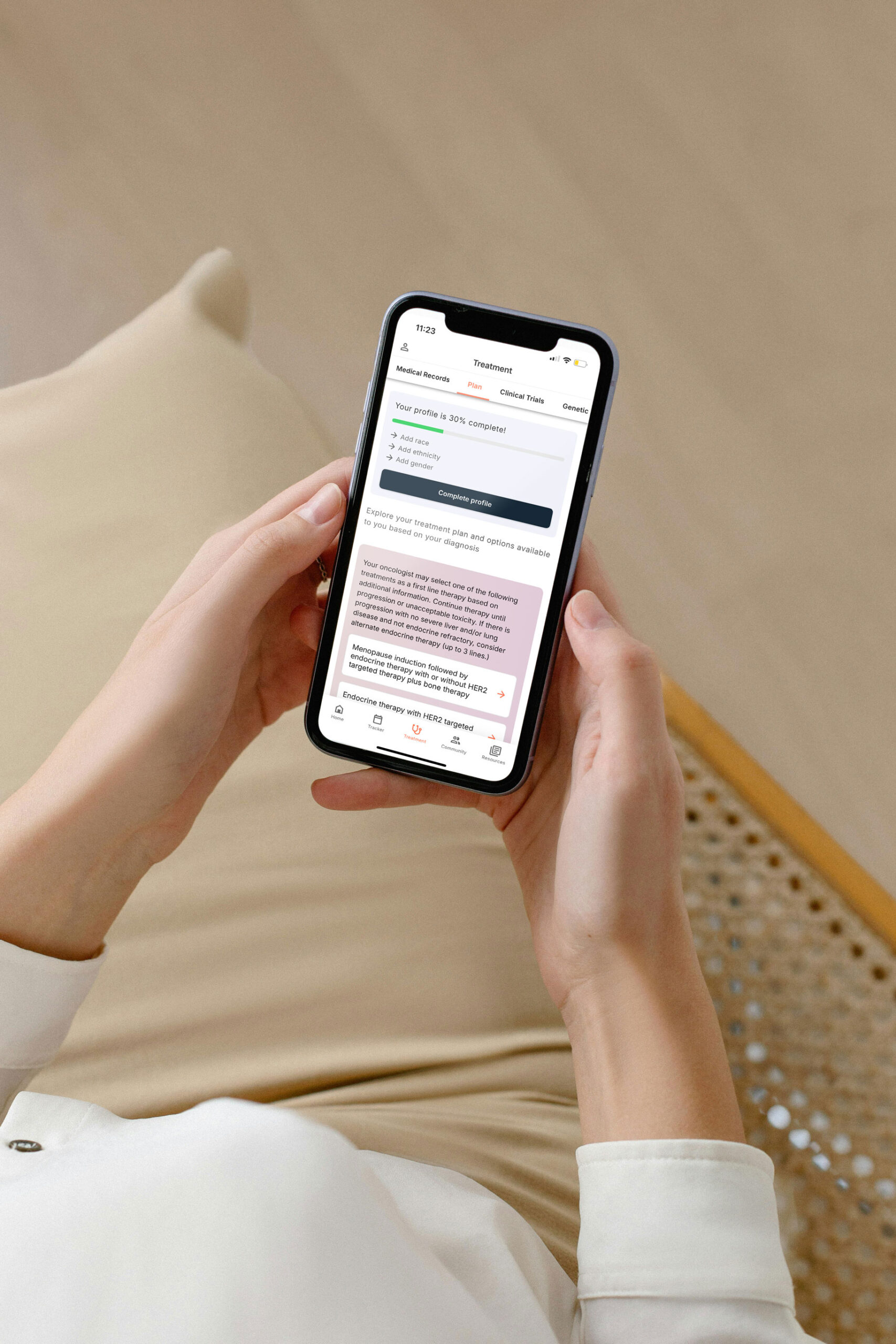
Compare treatments, prepare for appointments, and track side effects—all in the app
Built for your diagnosis, Outcomes4Me gives you the tools to make confident, informed decisions—right when you need them.
Continue in app